Why Dubai Is Quietly Becoming the Hedge-Fund Hub for Frontier Market Investors
Emerging-market deal flow are turning Dubai into the natural base for frontier-focused managers.
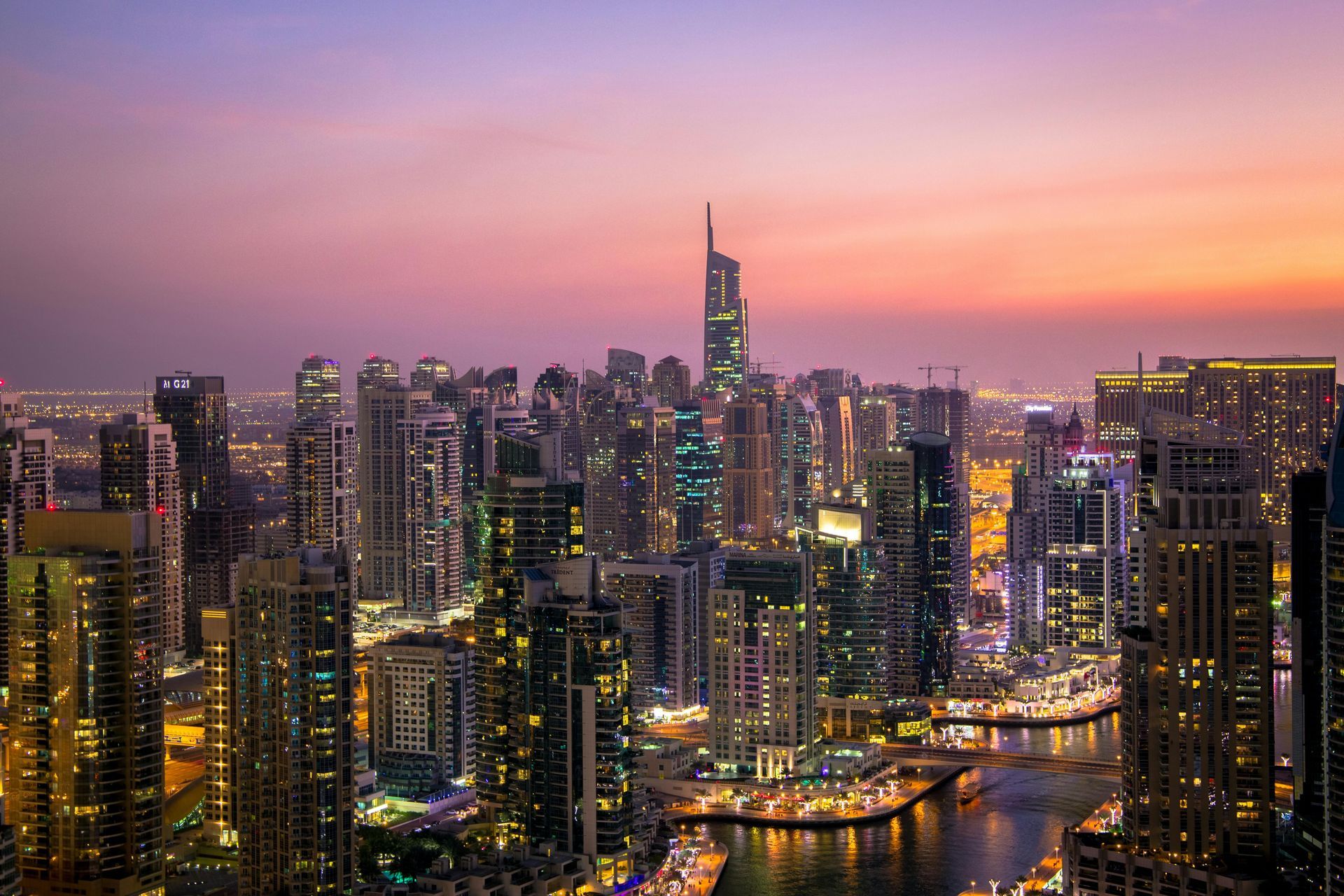
If you’ve been watching global capital flows, it’s clear that Dubai isn’t just attracting high-net-worth individuals and family offices anymore — it’s becoming a serious hedge-fund hub. And the biggest draw isn’t lifestyle or taxes. It’s proximity.
Dubai sits at the crossroads of the world’s most undervalued, fastest-growing regions: Africa, the Middle East, South Asia, and parts of Central Asia. These are the markets where the next decade of returns will come from. And hedge funds are starting to treat Dubai the same way they treat Singapore for Asia or London for Europe — a launchpad for accessing outsized opportunities before they go mainstream.
The Strategic Advantage Nobody Is Talking About
What makes Dubai so compelling for frontier-focused funds is something simple: deal flow proximity.
From Dubai, you can reach:
- Ghana, Nigeria, Kenya → under 8 hours
- India, Pakistan → under 3 hours
- Saudi Arabia → under 2 hours
- London, Frankfurt → 6–7 hours
- Singapore → 7 hours
For funds deploying capital into frontier economies, this matters. Relationships matter. On-the-ground diligence matters. And fast execution matters even more. Dubai offers the closest, most efficient access point — with the stability and regulatory clarity investors want.
Why Funds Are Moving to the UAE
Several macro factors are driving the shift:
1. Regulatory Stability
DFSA and ADGM operate with international standards, giving global managers confidence that they can manage frontier-market exposure from a safe, rules-based jurisdiction.
2. Investor Base
Dubai has one of the highest concentrations of investable private wealth in the world, making fundraising easier and enterprise deal-making faster.
3. Tax Efficiency
A predictable, competitive tax environment allows funds to scale without the friction found in traditional Western jurisdictions.
4. Global Talent Pool
Funds can hire traders, analysts, CIOs, data engineers, and risk specialists from all over the world — without immigration friction.
The Frontier-Market Edge
Here’s where it gets interesting.
Frontier markets are becoming more investable — not because the countries changed overnight, but because global capital hubs are repositioning themselves. And Dubai is leading that repositioning.
For hedge funds specializing in:
- EM debt
- Commodities
- Structured credit
- Private markets
- Infrastructure rollouts
- SEZ development
- Energy transition plays
- African logistics and food systems
Dubai provides a vantage point that New York or London simply can’t offer.
The informational advantage alone — access to regional intelligence, deal pipelines, and cross-border relationships — is a form of alpha.
The Bottom Line
Dubai isn’t trying to become the next Wall Street. It’s becoming something more focused: the global center for frontier-market capital. The place where ambitious managers position themselves before emerging markets become institutionalized.
For investors looking to capture long-term, outsized returns in regions undergoing rapid urbanization, digitization, and demographic expansion, this shift matters. The hedge-fund migration to Dubai is still early — but all the signals suggest it won’t stay that way for long.

About the Author — David Andoh
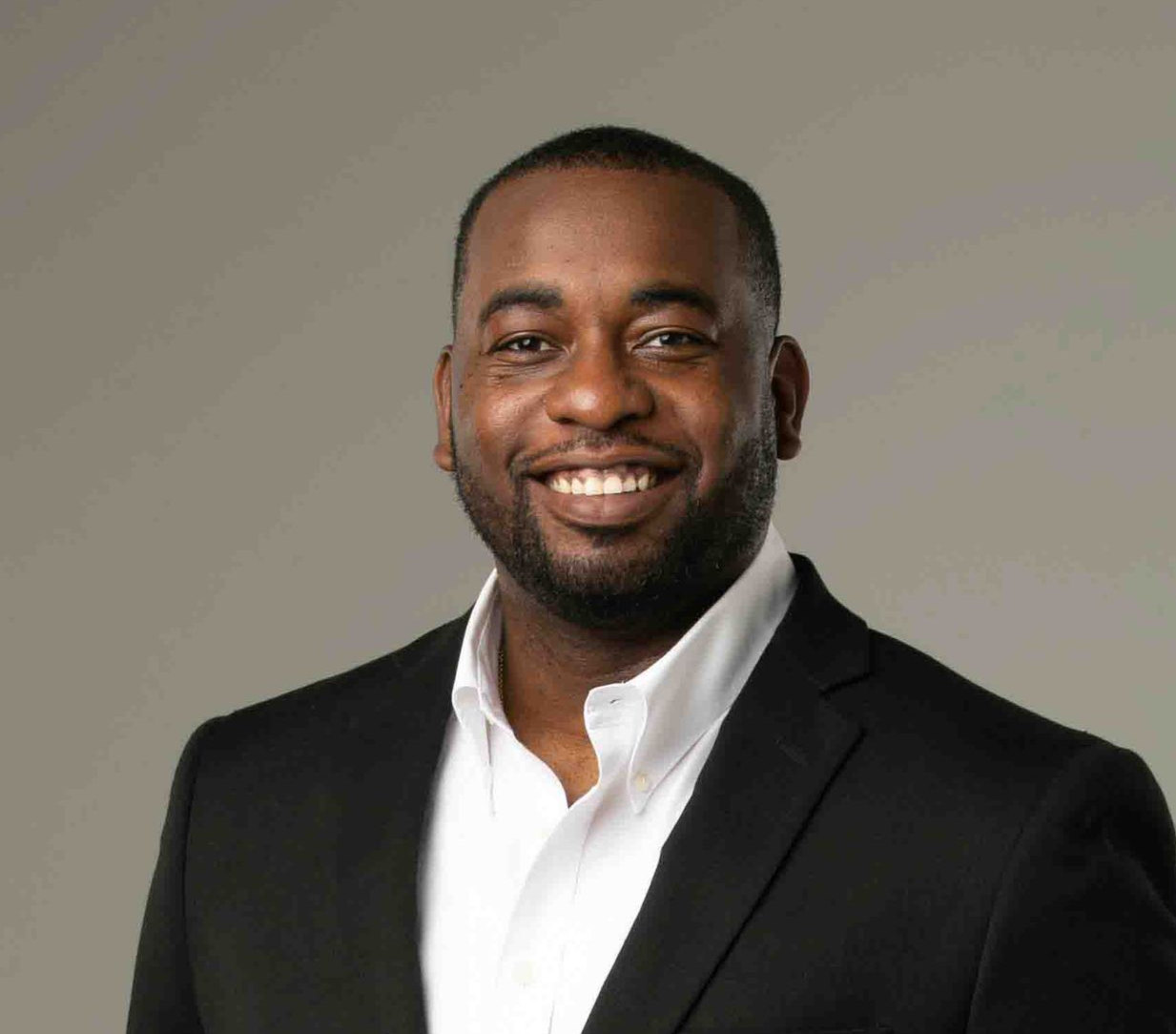
David Andoh, General Partner
David Andoh is the Founder and Managing Partner of Andoh Capital Management (ACM), a global investment firm focused on absolute-return strategies across emerging and frontier markets. With roots in structured finance, real assets, and cross-border trade, David has built a unique operator-investor platform spanning the United States, the United Arab Emirates, and West Africa.
His work integrates capital markets, large-scale master-planning, commodity supply chains, and technology infrastructure, with a particular emphasis on building new economic engines in high-growth regions. He is currently leading the development of a 20 sq km Special Economic Zone and corporate campus in Ghana, a multiphase project backed by institutional partners and designed as the first implementation of ACM’s broader “economic operating system.”
David has a background in high-performance athletics, international trade, and macro-driven investment research. Today, his writing focuses on emerging-market cycles, geopolitical trends, urban development, and the intersection of finance and infrastructure.
He splits his time between Dubai and Ghana, working with global institutions, family offices, and entrepreneurs to reimagine how capital flows into the next generation of frontier markets.