Gulf Investments Are Quietly Reshaping West Africa’s Economic Future
Why sovereign wealth funds and strategic investors are accelerating Africa’s energy, logistics, and infrastructure development.

If you zoom out and look at long-term investment patterns across Africa, one trend becomes impossible to ignore: the Gulf — led by the UAE, Saudi Arabia, and Qatar — is becoming one of the most influential financial forces in West Africa.
This shift isn’t loud or headline-driven. It’s strategic, patient, and coordinated. And it’s starting to reshape the economic landscape of countries like Ghana, Senegal, Côte d’Ivoire, and Nigeria.
The Gulf isn’t just investing in Africa — it’s helping redesign the foundation of West Africa’s next stage of growth.
Why the Gulf Is Focused on West Africa Now
Three big forces are driving this pivot:
1. Food Security & Agriculture
The Gulf imports the majority of its food. West Africa has millions of hectares of arable land, a young labor force, and a climate that supports year-round production.
Gulf agribusiness investments are not charity — they’re national strategy.
2. Logistics & Trade Corridors
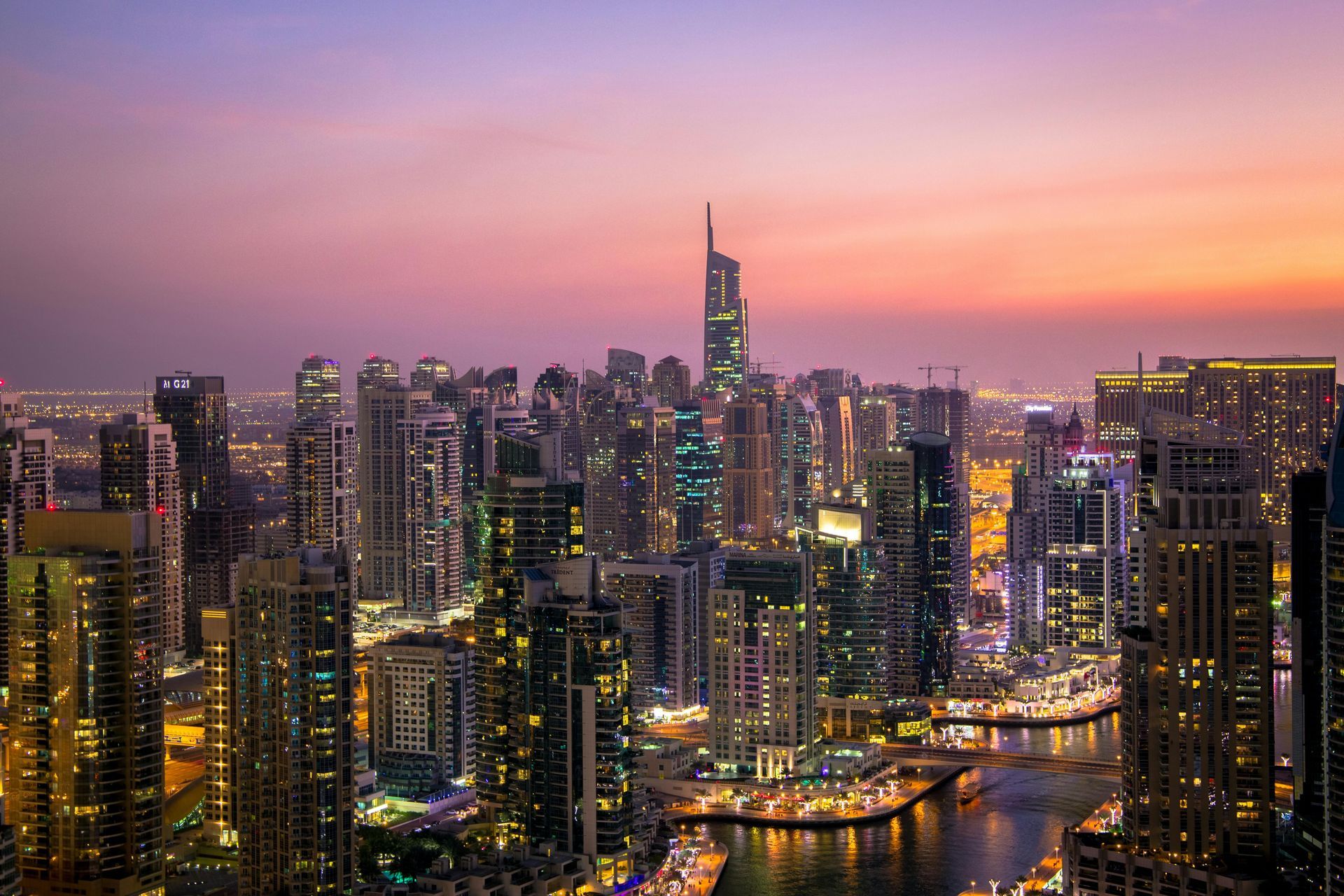
Dubai’s logistics blueprint is expanding outward. Ports, special economic zones, cold-chain infrastructure, and cross-border transport networks are being built or financed across the region.
For Gulf sovereign funds, this means securing future trade routes and supply chains.
3. Demographic Scale
West Africa is young, fast-growing, and urbanizing. Where populations rise, demand rises — for energy, transportation, digital services, real estate, and everything in between.
The Gulf sees this as an early-stage opportunity — one with multi-decade upside.
The Sectors Seeing the Most Gulf Capital
Across West Africa, Gulf-backed investment is flowing into:
- Ports & maritime logistics
- Energy and renewable power projects
- Agriculture and food production
- Telecommunications
- Urban development and real estate
- Special economic zones (SEZs)
- Mining and metals trading
These aren’t isolated deals. They form a pattern: long-term, anchor-style investments that create new economic corridors across the continent.
How This Changes the Investment Landscape in West Africa
When Gulf capital enters a market, it brings three things that transform investor behavior:
1. Risk Reduction
Gulf sovereigns do heavy due diligence. Their presence signals that regulatory and political risks are manageable.
2. Project Acceleration
Large-scale infrastructure that would normally take 15–20 years can move in half the time with Gulf backing.
3. Market Validation
Western institutions often follow Gulf capital — not because they lack insight, but because sovereign-backed investment de-risks early entry.
This is how emerging markets graduate into investable markets.
Final Takeaway
The Gulf–West Africa relationship is no longer a collection of isolated projects. It’s an economic realignment. West Africa is becoming a central destination for Gulf capital, and the early signs suggest this partnership will define the region’s next 20 to 30 years of development.
For investors paying attention, this isn’t just a trend — it’s an early signal of where the next major frontier-market opportunities will emerge.
About the Author — David Andoh
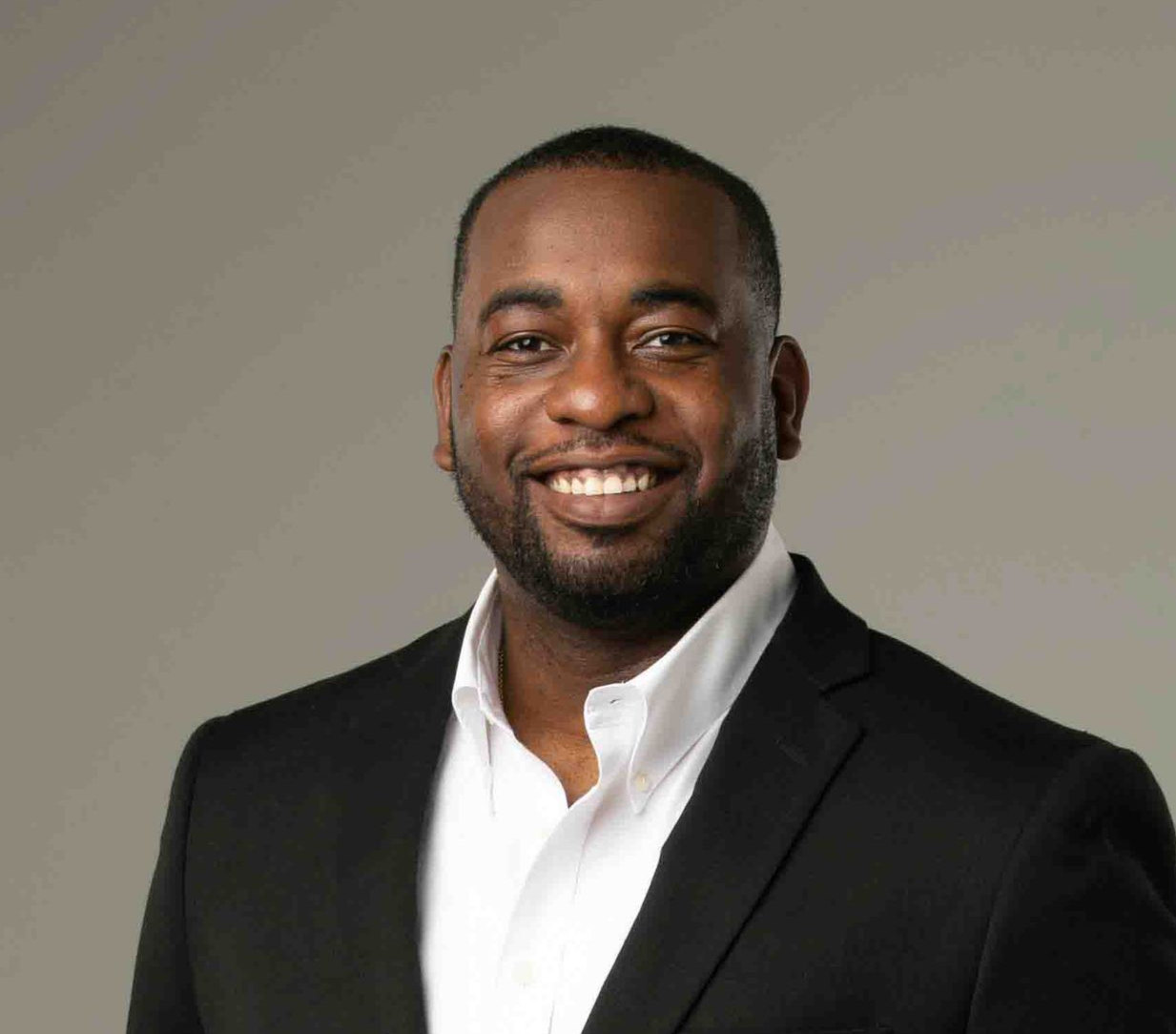
David Andoh, General Partner
David Andoh is the Founder and Managing Partner of Andoh Capital Management (ACM), a global investment firm focused on absolute-return strategies across emerging and frontier markets. With roots in structured finance, real assets, and cross-border trade, David has built a unique operator-investor platform spanning the United States, the United Arab Emirates, and West Africa.
His work integrates capital markets, large-scale master-planning, commodity supply chains, and technology infrastructure, with a particular emphasis on building new economic engines in high-growth regions. He is currently leading the development of a 20 sq km Special Economic Zone and corporate campus in Ghana, a multiphase project backed by institutional partners and designed as the first implementation of ACM’s broader “economic operating system.”
David has a background in high-performance athletics, international trade, and macro-driven investment research. Today, his writing focuses on emerging-market cycles, geopolitical trends, urban development, and the intersection of finance and infrastructure.
He splits his time between Dubai and Ghana, working with global institutions, family offices, and entrepreneurs to reimagine how capital flows into the next generation of frontier markets.