Legal FAQS: Land Tenure & Title Structure in Ghana
Legal FAQs: Land Tenure & Title Structure in Ghana
Q1: Is the land held under a lease or freehold title?
The land is held under a long-term leasehold interest of 99 years, with a renewal option. While this constitutes a lease in legal terms, it is formally registered and titled under Ghana’s Land Title Registration system, thereby establishing it as a secure and recognized form of property tenure.
Q2: How secure is a leasehold title under Ghanaian law?
Under the Land Act, 2020 (Act 1036), once a leasehold interest is registered with the Land Title Registry, it becomes indefeasible—meaning it is considered conclusive legal evidence of ownership rights. The title cannot be invalidated except in cases of proven fraud or misrepresentation in a court of law. This provides strong statutory protection to the leaseholder.
Q3: Does the Land Act of 2020 change how leaseholds are treated?
Yes. The Land Act, 2020 reformed and consolidated Ghana’s land laws. One of the key provisions (Section 9) prohibits the creation of new freehold interests in stool, skin, clan, and family lands—types of communal land prevalent in Ghana. As a result, leaseholds—once properly titled—are now the highest legally permissible form of tenure for these lands. They provide both legal finality and practical stability for long-term use and investment.
Q4: What does it mean for a leasehold to be “titled”?
A titled leasehold is one that has been formally registered with Ghana’s Land Title Registry, and a land certificate has been issued by the government. This certificate confirms that the holder’s interest has been verified, recorded, and protected by statute. It is enforceable in court and generally not subject to dispute, except in rare cases of fraud.
Q5: How do banks and financial institutions view titled leasehold land in Ghana?
Titled leasehold land is widely recognized by banks, private equity firms, and institutional lenders—both locally and internationally—as valid and bankable collateral. The registration with the Land Title Registry gives it a level of legal certainty and enforceability that meets the due diligence requirements of financial institutions. In many cases, titled leaseholds are treated with the same confidence as freehold interests, particularly because Ghanaian law no longer permits new freeholds in customary lands. Financing, mortgages, and investment partnerships are routinely structured around such assets.
Q6: Can the lease be renewed after 99 years?
Yes. The lease includes a contractual option to renew for an additional term, typically up to 45 years or more. Lease renewals are governed by the terms of the agreement and are recognized under Ghanaian land law as a standard practice. This ensures continuity for long-term planning, development, and investment.
About the Author — David Andoh
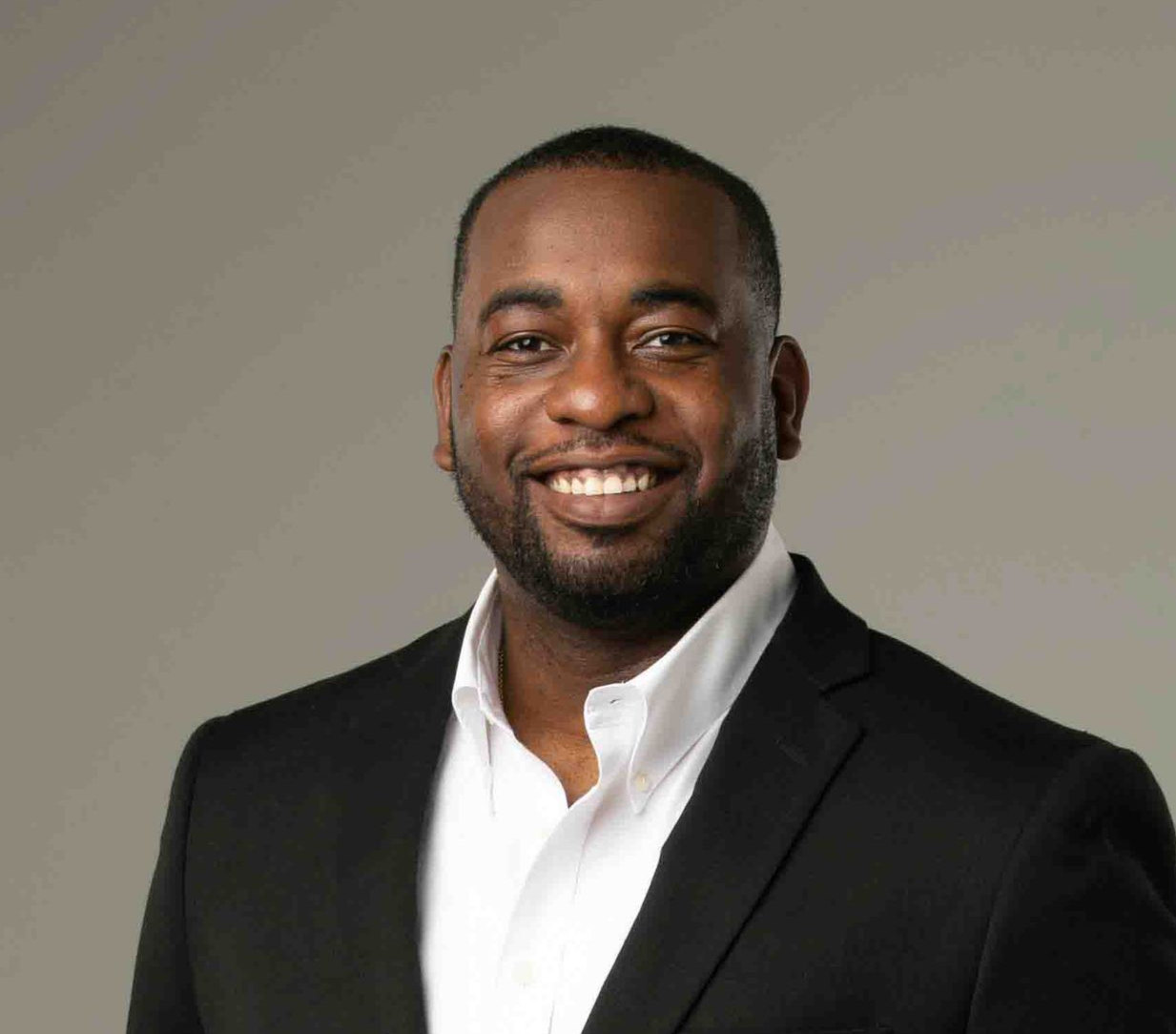
David Andoh, General Partner
David Andoh is the Founder and Managing Partner of Andoh Capital Management (ACM), a global investment firm focused on absolute-return strategies across emerging and frontier markets. With roots in structured finance, real assets, and cross-border trade, David has built a unique operator-investor platform spanning the United States, the United Arab Emirates, and West Africa.
His work integrates capital markets, large-scale master-planning, commodity supply chains, and technology infrastructure, with a particular emphasis on building new economic engines in high-growth regions. He is currently leading the development of a 20 sq km Special Economic Zone and corporate campus in Ghana, a multiphase project backed by institutional partners and designed as the first implementation of ACM’s broader “economic operating system.”
David has a background in high-performance athletics, international trade, and macro-driven investment research. Today, his writing focuses on emerging-market cycles, geopolitical trends, urban development, and the intersection of finance and infrastructure.
He splits his time between Dubai and Ghana, working with global institutions, family offices, and entrepreneurs to reimagine how capital flows into the next generation of frontier markets.