UAE’s Surge of Investment into Africa: What It Signals for the Next Decade
How the UAE’s aggressive capital deployment into logistics, energy, food security, and digital infrastructure is reshaping Africa’s growth trajectory.
If you’ve been following global capital flows, the UAE’s aggressive move into Africa is one of the clearest trends shaping the next generation of emerging markets. What started as a series of isolated investments has now become a coordinated strategy — with billions in committed capital flowing into infrastructure, logistics, ports, renewable energy, technology, and agriculture across the continent.
The UAE is no longer just participating in Africa’s trajectory. It’s helping define it.
Why the UAE Is Investing So Heavily in Africa
Three factors are driving this shift.
First, demographics. Africa is projected to hold a quarter of the world’s population by 2050, creating long-term demand for energy, transportation, housing, technology, and food systems.
Second, geography. African trade lanes are critical to the UAE’s position as a global logistics hub. Strengthening ties means strengthening Dubai’s own global connectivity.
Third, diversification. As the UAE expands beyond oil, Africa offers new revenue pathways: ports, industrial zones, renewable power, rail, and digital infrastructure.
In short: this isn’t short-term speculation. It’s strategic, long-term positioning.
Where the Money Is Going
UAE investments across Africa now exceed $110 billion, making it one of the world’s top foreign direct investors on the continent. Capital is flowing most aggressively into:
- Ports & logistics corridors
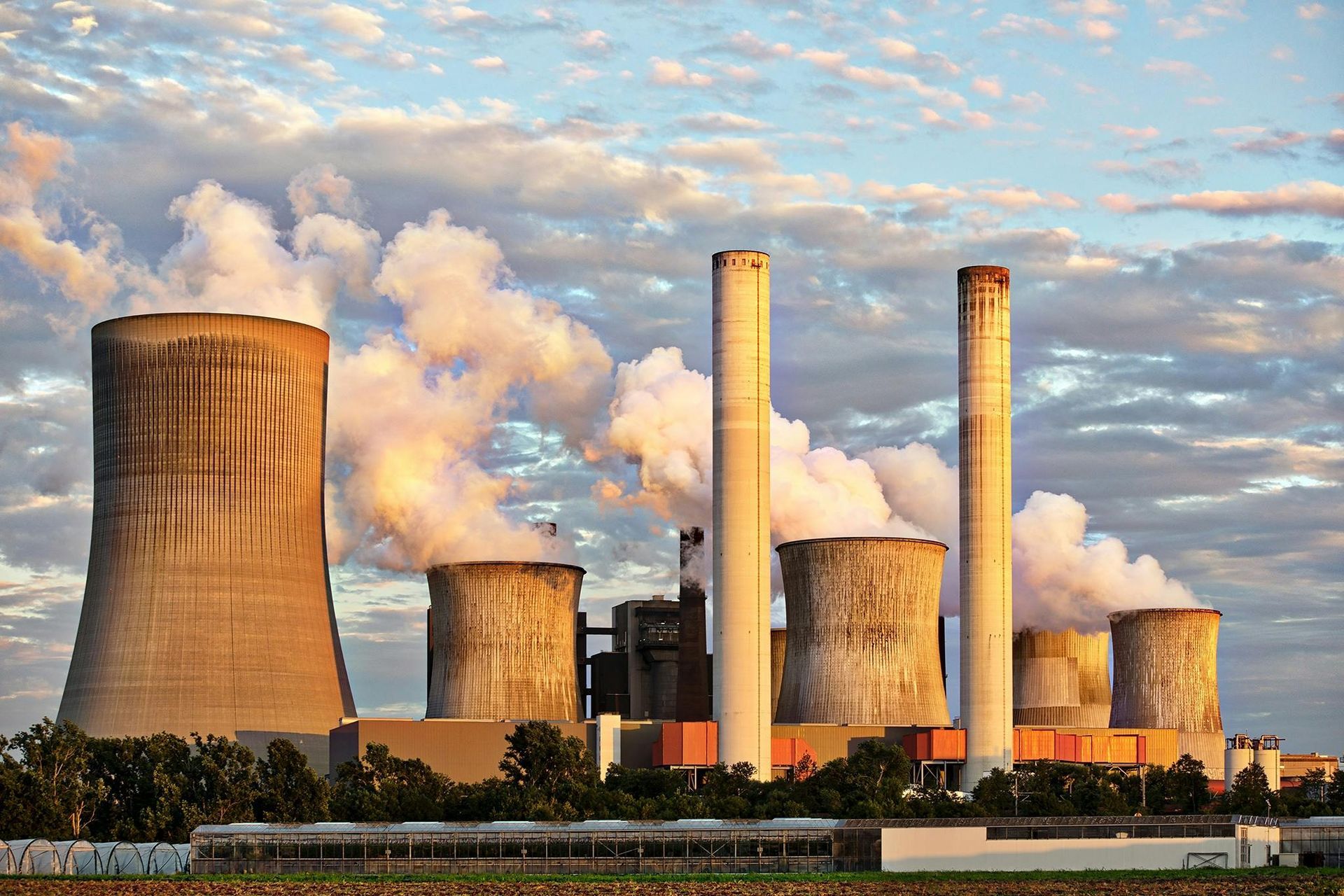
- Power plants and renewable energy grids
- Industrial and free-zone developments
- Agri-tech and food security projects
- Digital infrastructure and fintech ecosystems
This isn’t random spending — it’s vertical integration. The UAE is building the connective tissue that allows African economies to scale.
Why This Matters for Investors
When a country with deep liquidity and long-term planning invests at this scale, global markets respond. Institutional investors watch sovereign capital closely — and often follow where governments place strategic bets.
For Africa, the UAE’s presence does three things:
- De-risks major projects by backing them with credible, stable partners.
- Accelerates timelines for infrastructure that would otherwise take decades.
- Attracts additional capital — from Europe, Asia, and North America — who prefer to invest alongside established Gulf players.
This is how frontier markets evolve into investable markets.
The Bottom Line
Africa is entering a phase of accelerated development, and the UAE is one of its most influential partners. For investors looking at long-term macro trends — population, infrastructure, liquidity, and geopolitical alignment — the Africa–UAE corridor is emerging as one of the world’s most important economic stories.
Those paying attention early will have a front-row seat to opportunities the broader public won’t recognize until years later.
About the Author — David Andoh
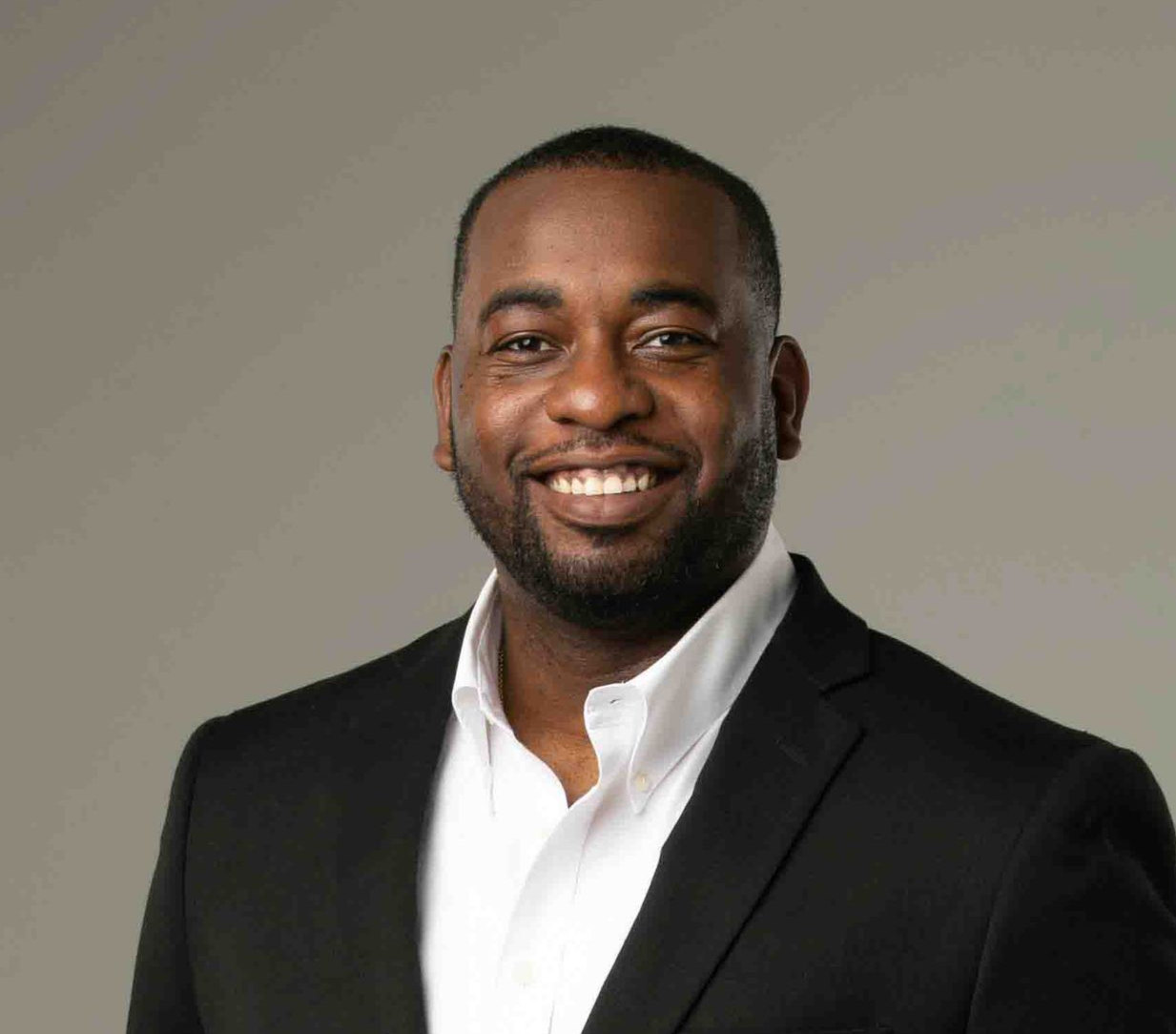
David Andoh, General Partner
David Andoh is the Founder and Managing Partner of Andoh Capital Management (ACM), a global investment firm focused on absolute-return strategies across emerging and frontier markets. With roots in structured finance, real assets, and cross-border trade, David has built a unique operator-investor platform spanning the United States, the United Arab Emirates, and West Africa.
His work integrates capital markets, large-scale master-planning, commodity supply chains, and technology infrastructure, with a particular emphasis on building new economic engines in high-growth regions. He is currently leading the development of a 20 sq km Special Economic Zone and corporate campus in Ghana, a multiphase project backed by institutional partners and designed as the first implementation of ACM’s broader “economic operating system.”
David has a background in high-performance athletics, international trade, and macro-driven investment research. Today, his writing focuses on emerging-market cycles, geopolitical trends, urban development, and the intersection of finance and infrastructure.
He splits his time between Dubai and Ghana, working with global institutions, family offices, and entrepreneurs to reimagine how capital flows into the next generation of frontier markets.