The Dubai–Ghana Bridge: Why the Gulf Is Quietly Becoming West Africa’s Most Important Partner
How new trade corridors, strategic capital, and logistics investment are reshaping economic ties between the UAE and Ghana.
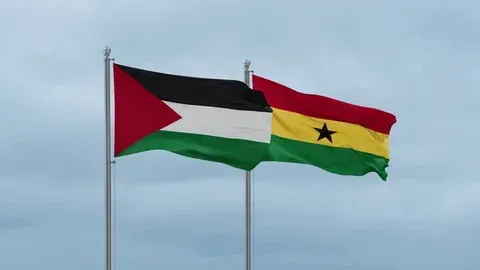
If you’ve been watching what’s happening between the Gulf and West Africa lately, you’ll notice something big forming beneath the surface. Dubai and Ghana are building one of the most important new economic bridges of this decade — and most people aren’t paying attention yet.
This isn’t charity. This isn’t politics.
This is strategy.
And if you’re an investor looking for early signals in emerging markets, this relationship is worth studying closely.
Why Dubai Is Leaning Into Ghana
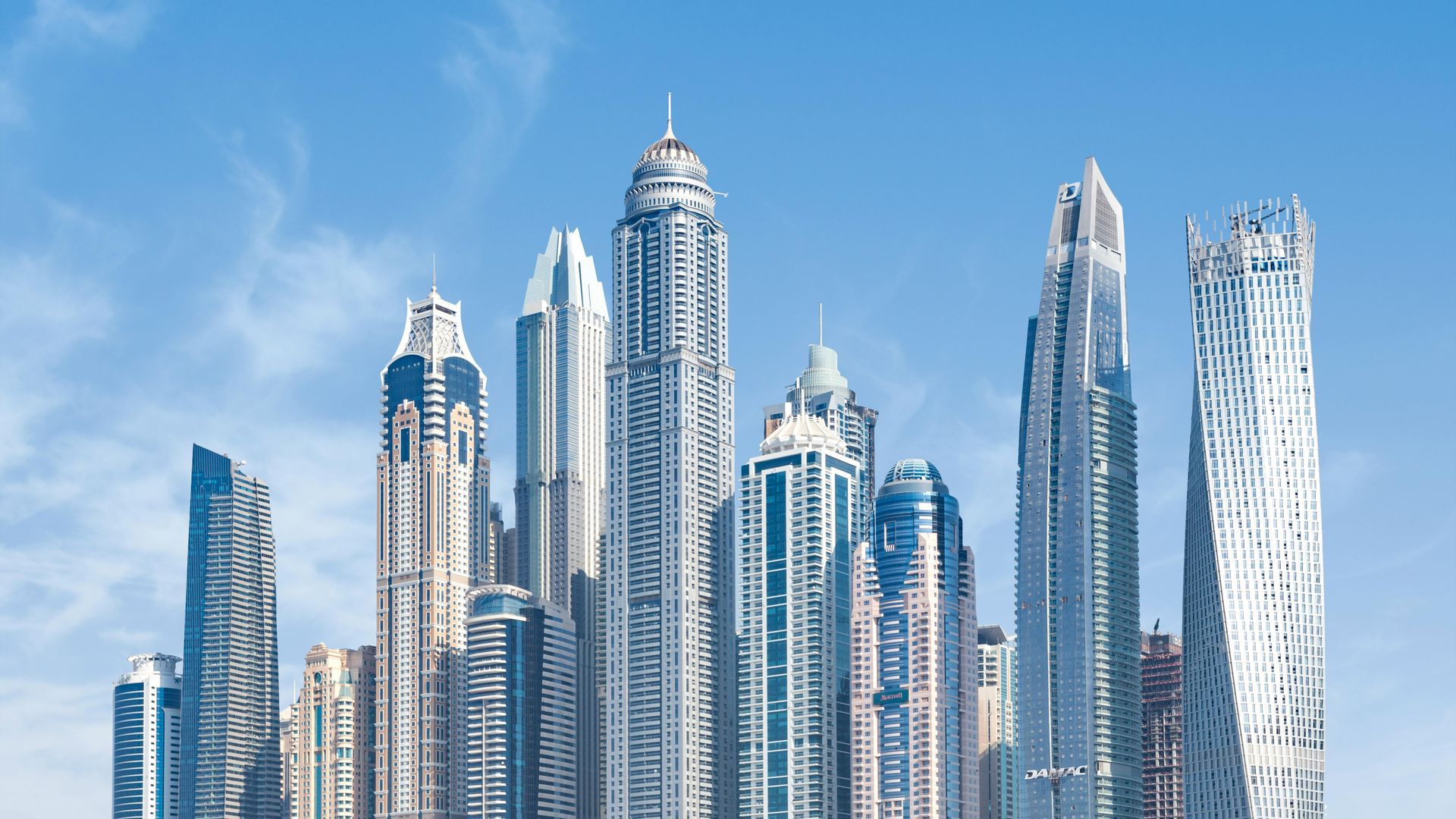
Recent high-level talks between Ghana and the UAE have opened the door for Dubai-based firms to explore direct investments in the country. That includes new economic partnerships, potential labor mobility frameworks, and joint development discussions.
For Ghana, this means access to one of the world’s most liquid, globally integrated investment hubs. For Dubai, it means tapping into a stable, strategically located West African market that’s rapidly modernizing.
On the surface, it may look like cooperation. But underneath, it’s positioning.
Infrastructure, Jobs, and Capital Flow
Whenever Gulf capital enters a new region, it tends to follow a very consistent pattern:
Step 1: Infrastructure → ports, logistics, energy
Step 2: Workforce mobility → skilled and semi-skilled labor exchange
Step 3: Private-sector expansion → manufacturing, services, digital
Step 4: Long-term capital deployment → free zones, industrial clusters, real estate
Ghana is now positioned at Step 1.5.
This early stage is where value investors, private equity players, and diaspora capital tend to find “quiet opportunities” — the ones that become obvious to the public only years later.
Why the Gulf Wants West Africa Right Now
There’s a macro reason for all this: the UAE is intentionally diversifying toward Africa. Over the last few years, the country has poured more than $110 billion into the continent, making it one of the world’s largest investors in African markets.
Why does this matter?
Because Gulf capital isn’t short-term. It’s patient. It’s strategic.
And when it chooses a region, it tends to stay for decades.
That long-term posture provides the kind of confidence global investors look for when evaluating frontier markets.
What This Means for Ghana
Ghana stands to benefit in three major ways:
1. Faster Industrialization
With Dubai’s free-zone expertise, Ghana can accelerate manufacturing, logistics, and value-added exports.
2. Job Creation and Labor Mobility
New agreements could open formalized pathways for Ghanaian workers in the UAE — increasing remittances, savings, and domestic reinvestment back home.
3. Global Visibility
As Gulf capital flows into Ghana, global funds start looking too.
Perception changes long before valuation.
Final Takeaway
The Dubai–Ghana bridge isn’t just bilateral cooperation. It’s the beginning of a new corridor of capital, talent, and opportunity between the Gulf and West Africa.
If you’re an investor looking for macro shifts before they become headlines, this is one to watch carefully.
About the Author — David Andoh
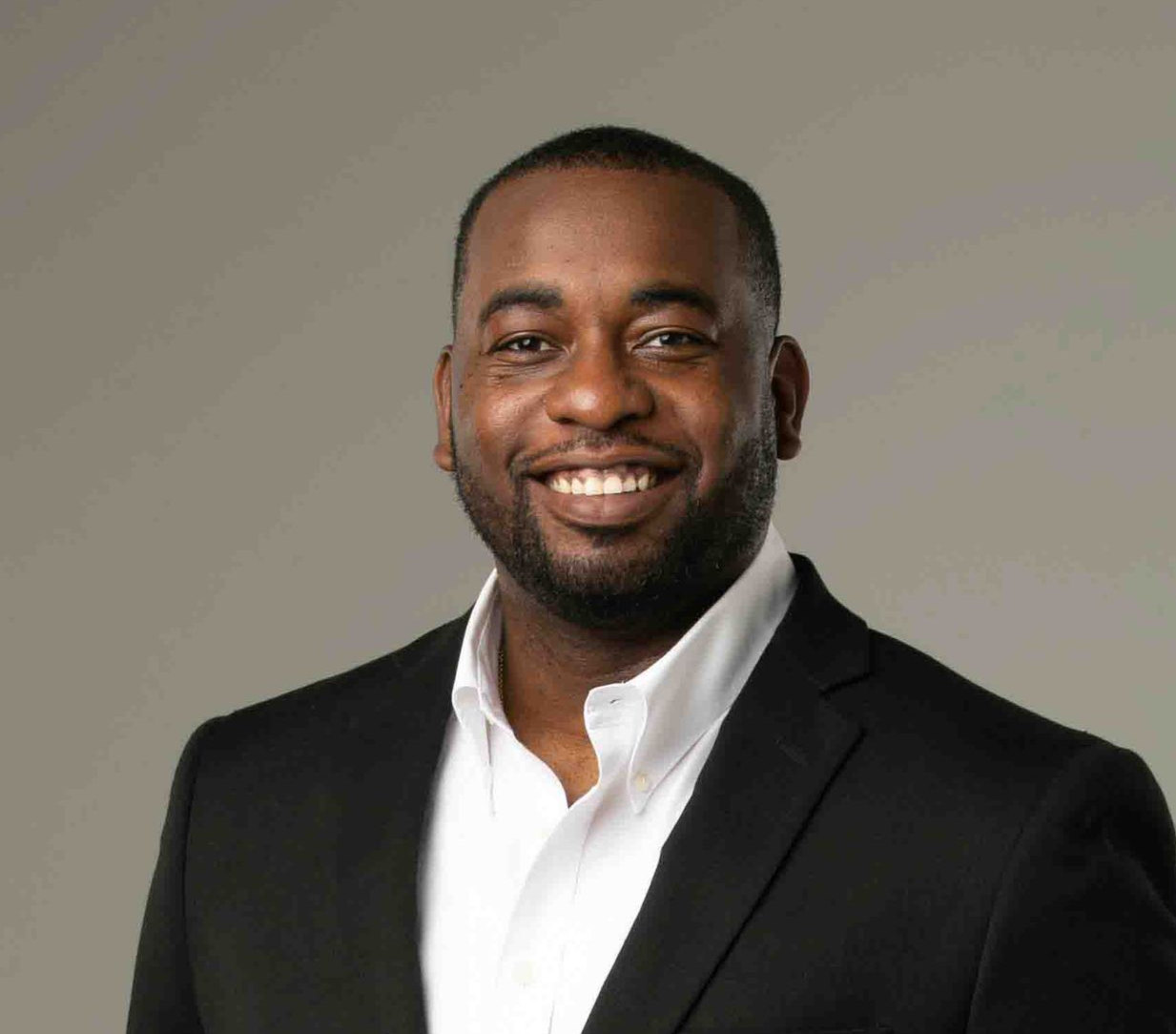
David Andoh, General Partner
David Andoh is the Founder and Managing Partner of Andoh Capital Management (ACM), a global investment firm focused on absolute-return strategies across emerging and frontier markets. With roots in structured finance, real assets, and cross-border trade, David has built a unique operator-investor platform spanning the United States, the United Arab Emirates, and West Africa.
His work integrates capital markets, large-scale master-planning, commodity supply chains, and technology infrastructure, with a particular emphasis on building new economic engines in high-growth regions. He is currently leading the development of a 20 sq km Special Economic Zone and corporate campus in Ghana, a multiphase project backed by institutional partners and designed as the first implementation of ACM’s broader “economic operating system.”
David has a background in high-performance athletics, international trade, and macro-driven investment research. Today, his writing focuses on emerging-market cycles, geopolitical trends, urban development, and the intersection of finance and infrastructure.
He splits his time between Dubai and Ghana, working with global institutions, family offices, and entrepreneurs to reimagine how capital flows into the next generation of frontier markets.